Question 4(d): Specimen 3: ChatGPT-thinking, configured prompt (Air fryer presentation, 6 May 2026)
Prompt:Constraint: Queens English, no em-dash use at all (use Cambridge English grammar and spelling) Constraint: around 500 words Constraint: this is a presentation to colleagues to demonstrate the technical research capabilities of AI's such as Grok
I have to give a presentation on air friers, detail why air friers are better for health, an overview of how they work and the energy benefits and why they should be used as a preference over traditional cooking equipment such as convection ovens and microwaves, provide citations/links where appropriate.
Presentation script: Air fryers as a healthier, lower-energy cooking option
Today I am using air fryers as a practical example of how AI tools, such as Grok, can rapidly compare health, engineering and energy evidence across credible sources, then turn that research into a useful decision brief.
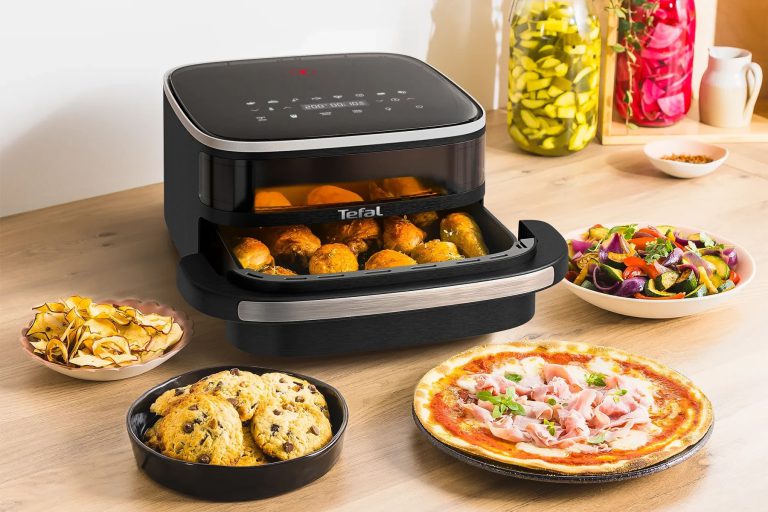
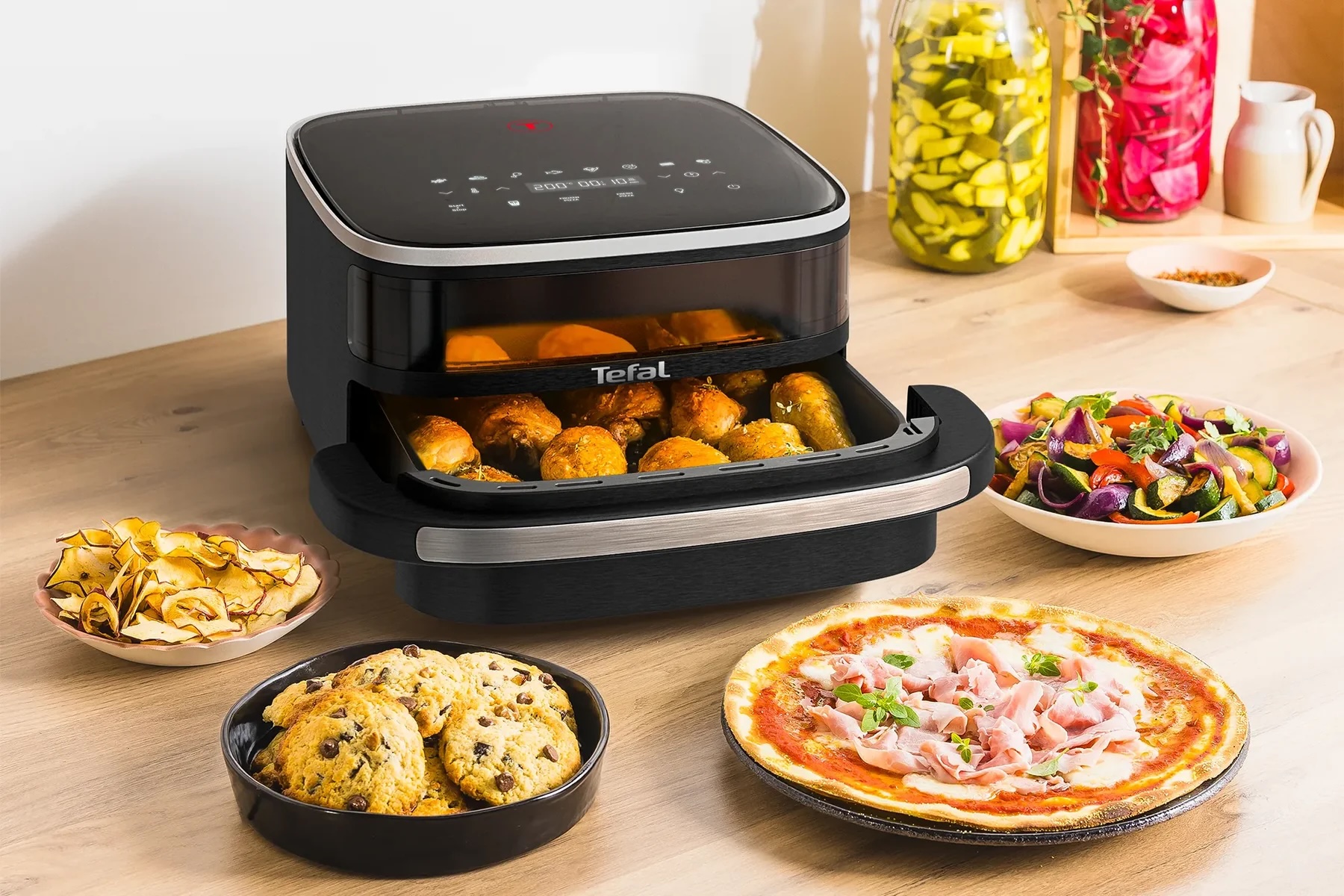
An air fryer is not really a fryer. It is a compact, high-speed convection oven. A heating element warms the air, while a fan circulates that hot air rapidly around food in a perforated basket. This creates browning and crisping through dry heat, rather than by immersing food in oil. Cleveland Clinic describes air fryers as “mini convection ovens” that blow hot air around food, producing a crisp outside while keeping moisture inside. (health.clevelandclinic.org)
The main health benefit is reduced oil use. Deep frying and pan frying add substantial fat and calories because food absorbs oil during cooking. Air frying usually needs only a light spray or small amount of oil, which can reduce the calories normally added by deep frying. Cleveland Clinic states that using an air fryer, typically with about a tablespoon of oil, may cut calories from deep-fried foods by up to 80%. (health.clevelandclinic.org) Mayo Clinic Health System also describes air frying as a lower-fat and lower-calorie alternative to deep-fat frying. (mayoclinichealthsystem.org)
There is one important caveat: an air fryer does not make unhealthy food healthy. Processed nuggets, bacon or heavily salted chips remain nutritionally poor choices. The real value is that it makes better foods, such as vegetables, lean proteins and home-prepared potatoes, easier and more appealing.
From an energy perspective, air fryers are attractive because they heat a much smaller chamber than a full-size oven. The Energy Saving Trust found that, for the same 600 g chicken breast example, an air fryer cost less to run than an electric oven, while noting that ovens may still be better for large batches. (energysavingtrust.org.uk) Which? testing in March 2026 similarly found that air fryers can use less than half the energy of an oven for smaller amounts, although savings reduce if several batches are needed. (which.co.uk)
Compared with microwaves, the answer is more nuanced. Microwaves are usually best for reheating and very quick cooking because they heat the food directly rather than heating air around it. The Energy Saving Trust gives a microwave cost example of only a few pence for reheating a ready meal. (energysavingtrust.org.uk) However, microwaves do not brown or crisp food well. So the preference should be: microwave for reheating, air fryer for crisping and small meals, oven for bulk cooking.
In conclusion, air fryers are not magic, but they are a strong default choice for many everyday meals. They use less oil than deep frying, often use less energy than ovens for small portions, cook quickly, and produce better texture than microwaves for roasted or crisp foods. The evidence supports using them as a preferred appliance when the meal size and cooking style fit.