“Question 1” – Into AI, asking the right questions: When Ecosystems Collapse, Who Really Pays?
This is the first in a series demonstrating how AI can help us investigate the systems shaping our world. Rather than accepting surface explanations, we’ll explore what happens when ordinary curiosity meets powerful analytical tools.
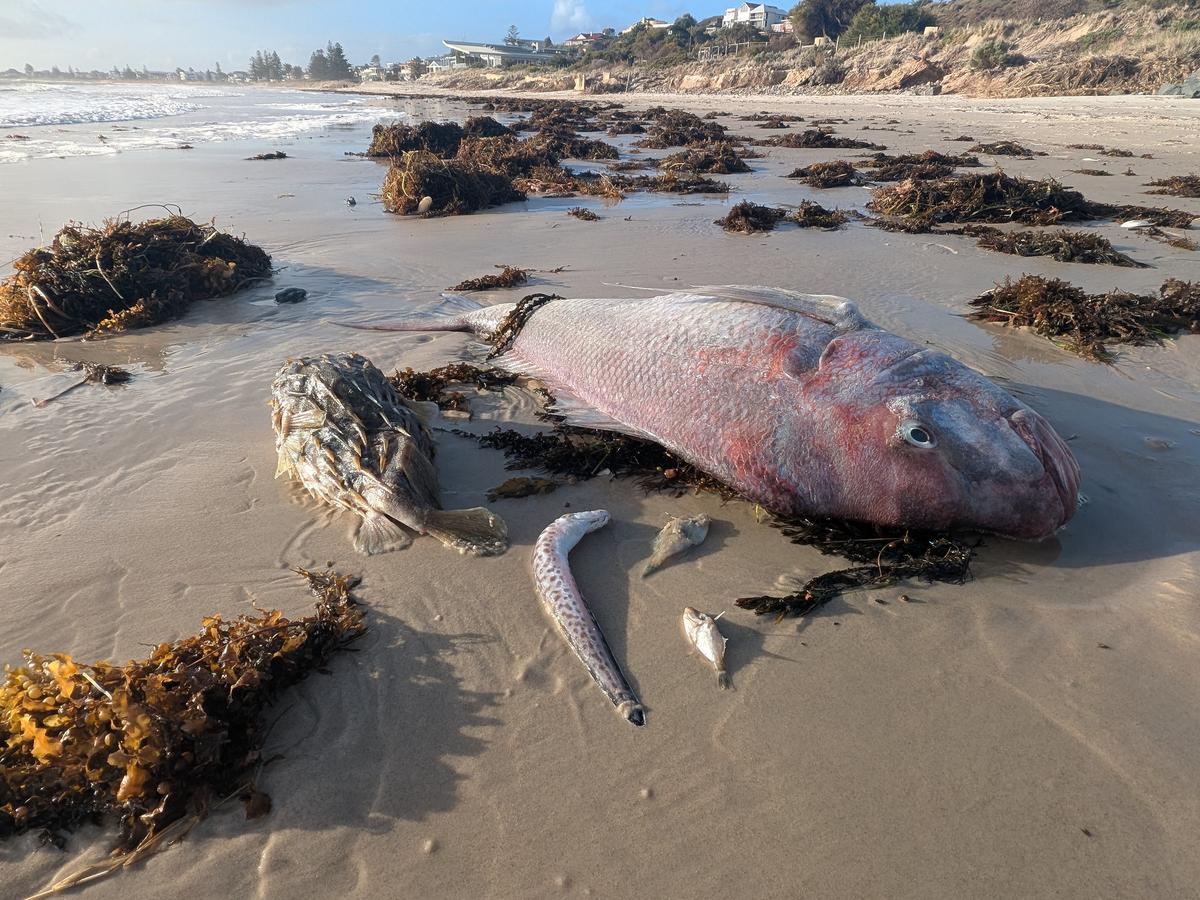
Earlier today, I heard something on the news about South Australia’s third major algal bloom in recent years. The official narrative was straightforward: unusual weather patterns, marine heatwaves, nutrient runoff from floods. Natural disaster, basically unavoidable, everyone’s doing their best to cope.
But something felt off.
The question that kept nagging at me was simple: what normally keeps toxic phytoplankton in check? And if those natural controls have been disrupted, by what?
The Question That Started Everything
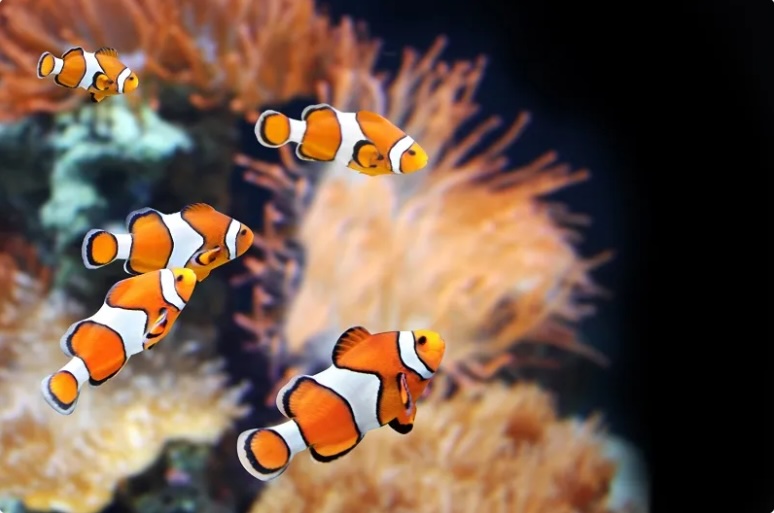
I’ve kept marine fish tanks for years and did a fair bit of SCUBA diving in my younger days. When you’ve watched how quickly a balanced aquarium can crash when key species disappear, or seen firsthand how delicate marine ecosystems really are, you develop an intuition for when the official explanation might be missing something important.
Here’s the thing about having a background in marine systems, even an amateur one: you know that nothing happens in isolation. Algal blooms don’t just appear because of weather. They explode when something that normally eats them, competes with them, or outcompetes them for nutrients is missing.
So just now, I asked AI a seemingly straightforward question: “Are there any organisms that eat what is known as ‘toxic phytoplankton’?”
The answer was fascinating: yes, many organisms do. Zooplankton, filter-feeding shellfish like mussels and oysters, small fish such as anchovies and sardines, and gelatinous organisms all consume toxic phytoplankton. Some can metabolise the toxins, others accumulate them and pass them up the food chain.
But that led me to my real question: “I was thinking of the current year and now in the third outbreak on the coast of South Australia… wondering if overfishing of some species of fish could have led to the uncontrolled/unchecked growth.”
This is where AI’s ability to search current information and connect patterns becomes invaluable. The response confirmed my suspicions and revealed much more.
The current disaster has been ongoing since March 2025, covering up to 20,000 square kilometres and affecting about 30% of South Australia’s coastline. Over 400 different marine species have been killed, and the seafood industry estimates it will take at least a decade to recover.
But here’s what really caught my attention: the Gulf St Vincent and Spencer Gulf have lost significant amounts of kelp and seagrass over recent decades due to overfishing, pollution and coastal development. These vegetated marine habitats would normally help regulate nutrient levels in seawater.
My follow-up question was more pointed: “The problem for me is it will be the little fisher people and the oyster farmers that will pay the price whilst it is likely the high intensity ‘factory’ ships are likely to cause and then be unaffected by their own damage.”
The Pattern of Environmental Injustice
The AI’s response confirmed exactly what I suspected, with specific examples that made the injustice stark:
The operations that continue largely unaffected: Commercial sardine, abalone and rock lobster fisheries across the state remain unaffected by the restrictions. The sardine fishery is Australia’s largest single species commercial fishery by volume, catching 34,000-38,000 tonnes annually.

Meanwhile, the small operators are devastated: The Marine Scalefish Fishery, which focuses on calamari, whiting, garfish and other inshore species, is having “enormous” ongoing challenges with more than 100 marine scale fishers across coastal communities unable to go fishing. Some fishermen haven’t caught fish for months, with third- or fourth-generation fishermen saying they “don’t know anything but fishing”.
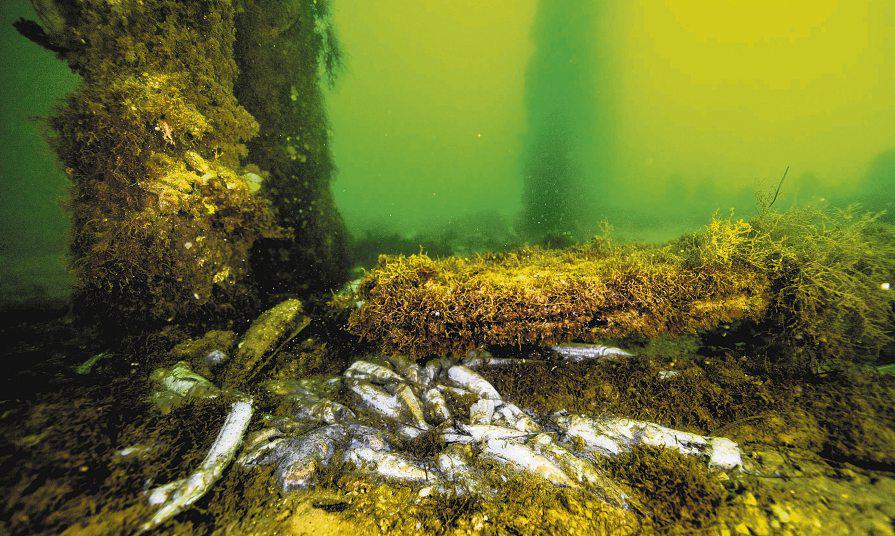
The most heartbreaking example: Steve Bowley, an oyster farmer whose Pacific Estate Oysters farm has more than 1.5 million oysters, was unable to sell his produce for 82 days and told The Straits Times “I am virtually bankrupt”.
The Ecological Disconnect
Here’s what really drove the point home: ninety-five percent of sardines are fed to Port Lincoln’s southern bluefin tuna farms. So the large-scale extraction of forage fish that support the marine food web continues to feed industrial aquaculture operations, whilst the small-scale fishers who target the diverse inshore species – the very fish that would have helped control phytoplankton blooms – are shut down.
The research shows that even before the bloom, there was evidence of declining fish stocks – King George Whiting showing post-settlement failure, Southern Calamari and Garfish declines, and very low Western King Prawn and Blue Swimmer Crab catches.
What This Question Revealed
This wasn’t just about marine biology. Following one ecological question led to understanding a broader pattern: industrial-scale operations that contribute to ecosystem degradation are typically best positioned to weather the consequences, whilst small-scale operators bear the brunt.
The conversation took an hour. Without AI, this investigation would have required access to marine biologists, fisheries scientists, environmental journalists, and policy experts. I would have needed to read through academic papers, government reports, and news articles across multiple sources to piece together these connections.
But even with that access, I would have needed weeks to gather the information, plus the cognitive ability and disposition to collate it all, analyse the patterns, and form coherent hypotheses about the systemic connections. AI did the heavy lifting – it brought everything together, synthesised information across disciplines, and explained it in a way that made complex ecological and economic relationships understandable. If you know the right questions to ask, you suddenly have the ability to understand answers that would previously have required years of specialised training.
Instead, I could follow my ecological intuition, ask the right questions, and uncover a systems analysis that reveals uncomfortable truths about who benefits and who suffers when natural systems fail.
The Questions We Should Be Asking

This is what AI can do for anyone willing to think carefully about the questions they’re asking. When environmental disasters strike, we can ask: who benefits from the current regulatory framework? When the same patterns keep repeating, what incentive structures are keeping them in place?
The South Australian algal bloom isn’t just an environmental disaster. It’s a case study in how power protects itself whilst externalising costs onto those least able to bear them. And it’s a preview of what happens when we prioritise short-term extraction over long-term ecosystem health.