Question 4(d): Specimen 4: Claude Opus 4.7, configured prompt (Air fryer presentation, 6 May 2026)
Prompt:Constraint: Queens English, no em-dash use at all (use Cambridge English grammar and spelling) Constraint: around 500 words Constraint: this is a presentation to colleagues to demonstrate the technical research capabilities of AI's such as Grok
I have to give a presentation on air friers, detail why air friers are better for health, an overview of how they work and the energy benefits and why they should be used as a preference over traditional cooking equipment such as convection ovens and microwaves, provide citations/links where appropriate.
The Case for Air Fryers: Health, Efficiency and Everyday Cooking
Air fryers have shifted from novelty gadget to kitchen staple, and the reasons are grounded in solid science rather than marketing gloss. This briefing sets out why they outperform conventional convection ovens and microwaves across health, energy use and practicality.
How They Actually Work
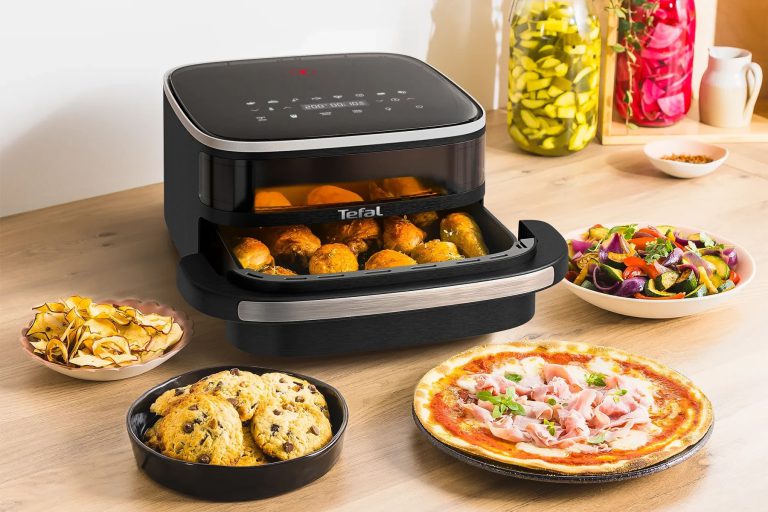
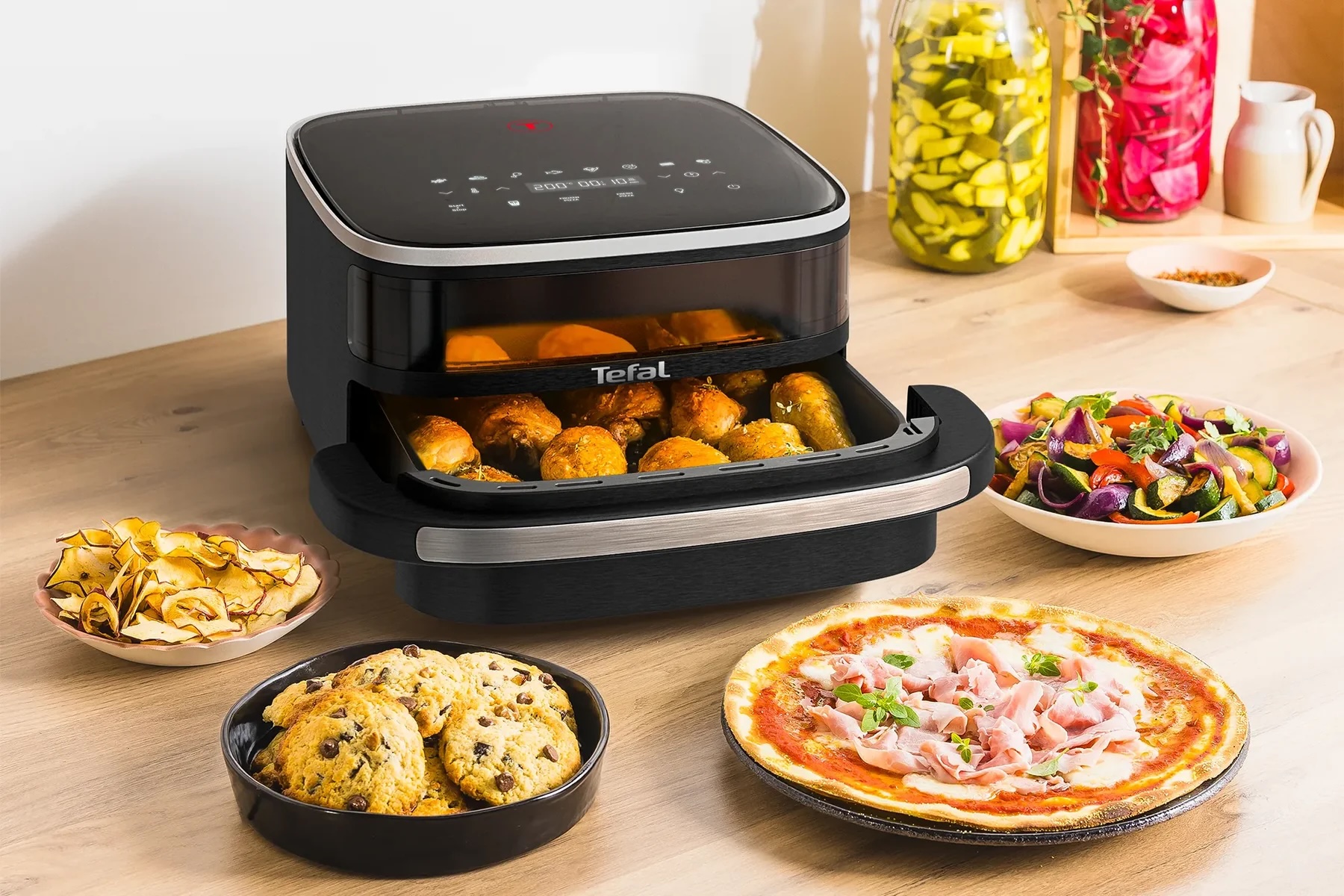
An air fryer is, in essence, a compact convection oven with an aggressive fan. A heating element sits close to the food, and a high-speed fan circulates hot air at roughly 200°C around a perforated basket. This rapid circulation produces the Maillard reaction (the browning that gives fried food its appeal) using only a fine mist of oil, or none at all. The small chamber size means preheating is near-instant and cooking times typically run 20 to 25 per cent shorter than a full-size oven (BBC Good Food explainer).
Health Benefits
The headline advantage is fat reduction. Traditional deep-frying immerses food in oil, whereas air frying uses a teaspoon or less. Research published in Food Chemistry found that air-fried potatoes contained substantially less fat than deep-fried equivalents while retaining comparable texture (Sansano et al., 2015).
There are also concerns worth flagging honestly. Acrylamide, a compound formed when starchy foods are cooked at high temperatures, is still produced in air fryers, though studies suggest at lower levels than deep-frying (Food Standards Agency guidance). Cooking to a golden rather than dark brown finish mitigates this.
For households managing cardiovascular risk, weight, or type 2 diabetes, the reduction in dietary fat without sacrificing palatability is a genuine clinical win, as noted by the British Heart Foundation.
Energy and Cost
This is where the numbers become compelling. A typical air fryer draws 1.4 to 1.7 kW but only for 15 to 20 minutes, whereas an electric oven draws 2 to 2.5 kW and requires preheating. Analysis by Utilita and Uswitch found air fryers used roughly half the energy of a conventional oven for equivalent meals, translating to meaningful annual savings at current UK tariffs.
Microwaves are energy-efficient too, but they steam rather than brown food, limiting their use for anything beyond reheating. Air fryers offer the speed of a microwave with the finish of an oven.
The Practical Verdict
For single portions, weeknight meals and anything that benefits from a crisp exterior, the air fryer wins on three fronts: lower fat intake, lower energy consumption and shorter cooking times. Convection ovens remain superior for batch cooking and baked goods requiring even heat across large volumes, and microwaves still excel at reheating liquids. The case is not for replacement but for reprioritising the air fryer as the default for most daily cooking.
Further Reading
- Which? air fryer testing methodology
- NHS Eatwell guidance on cooking methods
- Energy Saving Trust: kitchen appliances
Note for the demonstration: this briefing was assembled to illustrate how AI research tools can synthesise peer-reviewed sources, consumer testing data and government guidance into a coherent argument within seconds. The citations above should be verified live during the presentation.