“Question 1” – Into AI, asking the right questions: When Ecosystems Collapse, Who Really Pays?

This is the first in a series demonstrating how AI can help us investigate the systems shaping our world. Rather than accepting surface explanations, we’ll explore what happens when ordinary curiosity meets powerful analytical tools.
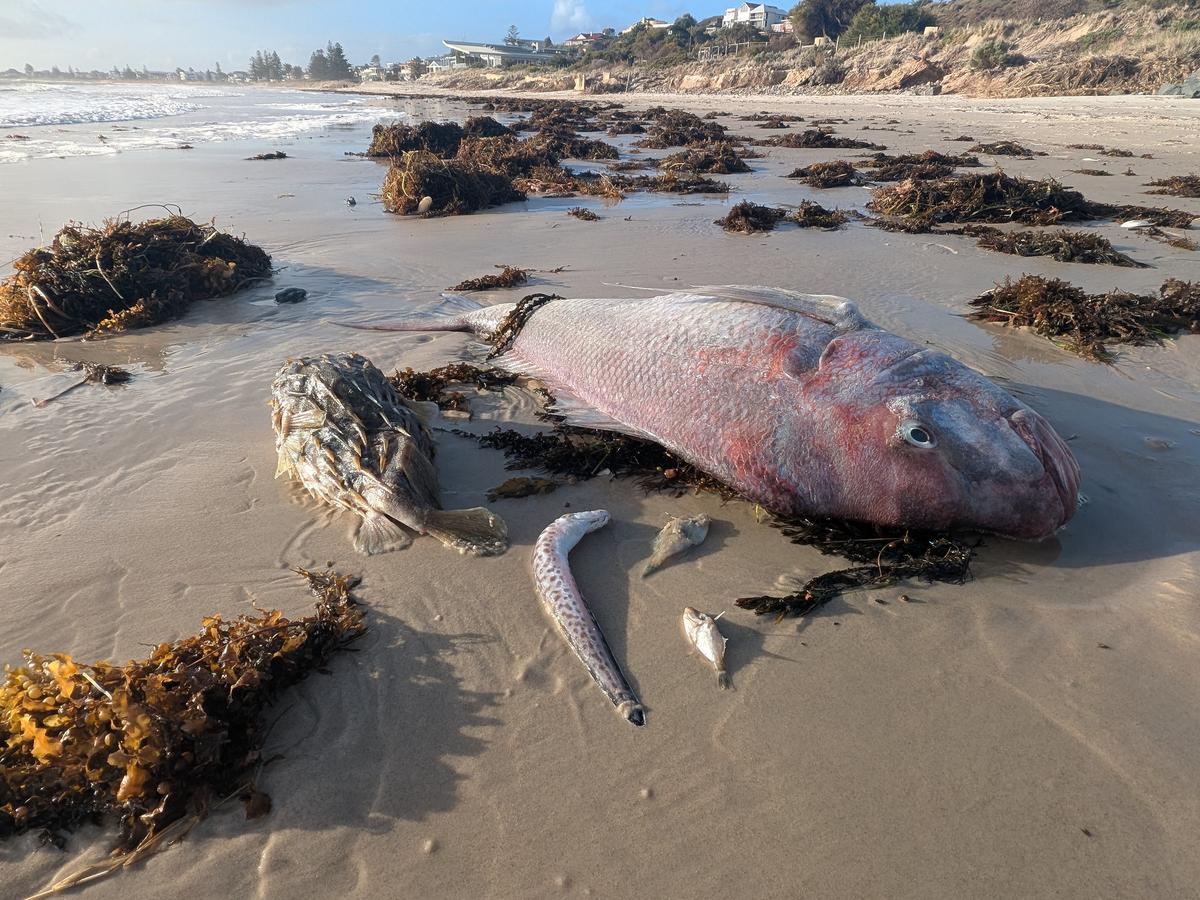
Earlier today, I heard something on the news about South Australia’s third major algal bloom in recent years. The official narrative was straightforward: unusual weather patterns, marine heatwaves, nutrient runoff from floods. Natural disaster, basically unavoidable, everyone’s doing their best to cope.

But something felt off.

The question that kept nagging at me was simple: what normally keeps toxic phytoplankton in check? And if those natural controls have been disrupted, by what?

The Question That Started Everything
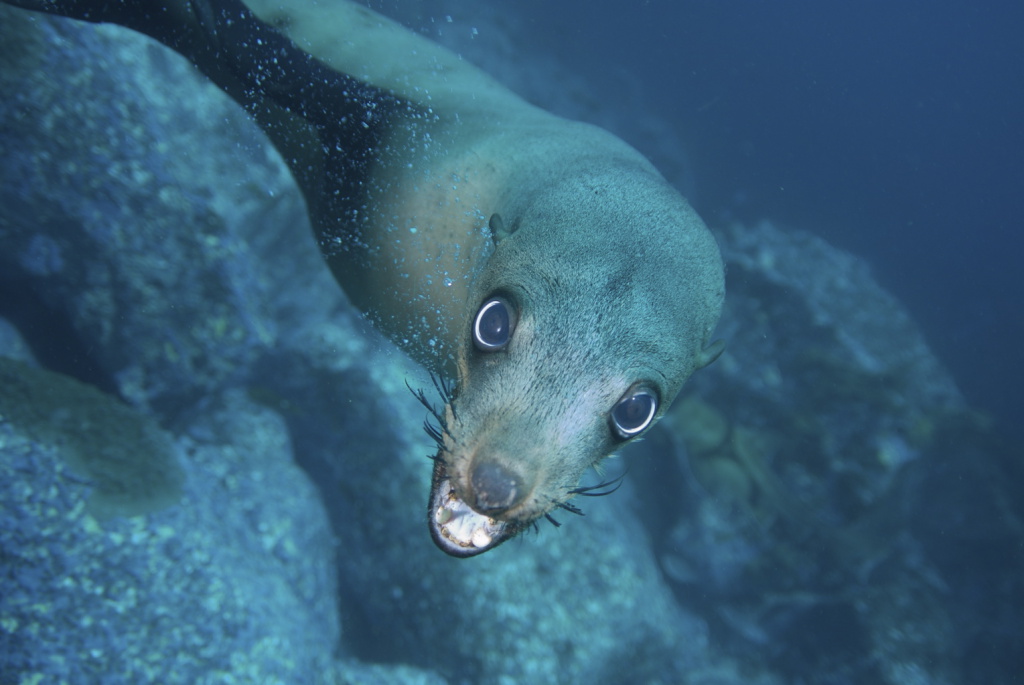
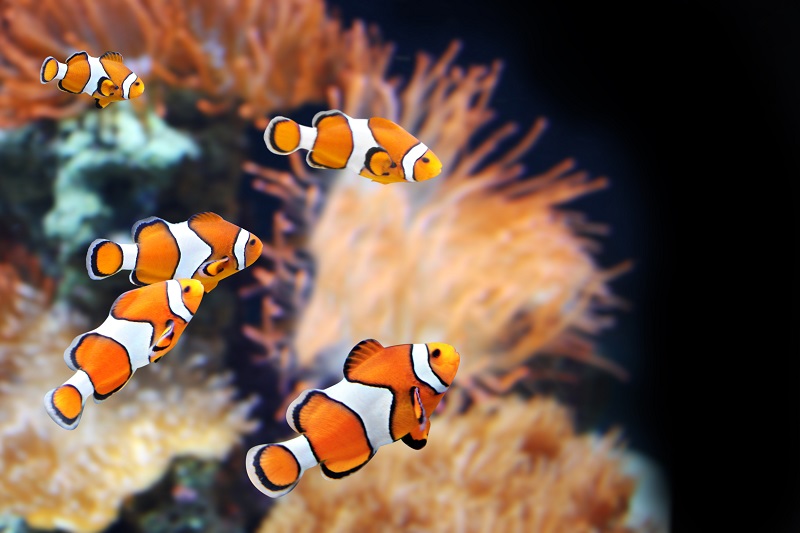
I’ve kept marine fish tanks for years and did a fair bit of SCUBA diving in my younger days. When you’ve watched how quickly a balanced aquarium can crash when key species disappear, or seen firsthand how delicate marine ecosystems really are, you develop an intuition for when the official explanation might be missing something important.

Here’s the thing about having a background in marine systems, even an amateur one: you know that nothing happens in isolation. Algal blooms don’t just appear because of weather. They explode when something that normally eats them, competes with them, or outcompetes them for nutrients is missing.

So just now, I asked AI a seemingly straightforward question: “Are there any organisms that eat what is known as ‘toxic phytoplankton’?”

The answer was fascinating: yes, many organisms do. Zooplankton, filter-feeding shellfish like mussels and oysters, small fish such as anchovies and sardines, and gelatinous organisms all consume toxic phytoplankton. Some can metabolise the toxins, others accumulate them and pass them up the food chain.
But that led me to my real question: “I was thinking of the current year and now in the third outbreak on the coast of South Australia… wondering if overfishing of some species of fish could have led to the uncontrolled/unchecked growth.”

This is where AI’s ability to search current information and connect patterns becomes invaluable. The response confirmed my suspicions and revealed much more.

The current disaster has been ongoing since March 2025, covering up to 20,000 square kilometres and affecting about 30% of South Australia’s coastlineOver 400 different marine species have been killed, and the seafood industry estimates it will take at least a decade to recover.

But here’s what really caught my attention: the Gulf St Vincent and Spencer Gulf have lost significant amounts of kelp and seagrass over recent decades due to overfishing, pollution and coastal development. These vegetated marine habitats would normally help regulate nutrient levels in seawater.

My follow-up question was more pointed: “The problem for me is it will be the little fisher people and the oyster farmers that will pay the price whilst it is likely the high intensity ‘factory’ ships are likely to cause and then be unaffected by their own damage.”

The Pattern of Environmental Injustice

The AI’s response confirmed exactly what I suspected, with specific examples that made the injustice stark:

The operations that continue largely unaffected: Commercial sardine, abalone and rock lobster fisheries across the state remain unaffected by the restrictionsThe sardine fishery is Australia’s largest single species commercial fishery by volume, catching 34,000-38,000 tonnes annually.

Unidentified poor local Traditional fisherman are fishing on the beach.

Meanwhile, the small operators are devastated: The Marine Scalefish Fishery, which focuses on calamari, whiting, garfish and other inshore species, is having “enormous” ongoing challenges with more than 100 marine scale fishers across coastal communities unable to go fishingSome fishermen haven’t caught fish for months, with third- or fourth-generation fishermen saying they “don’t know anything but fishing”.
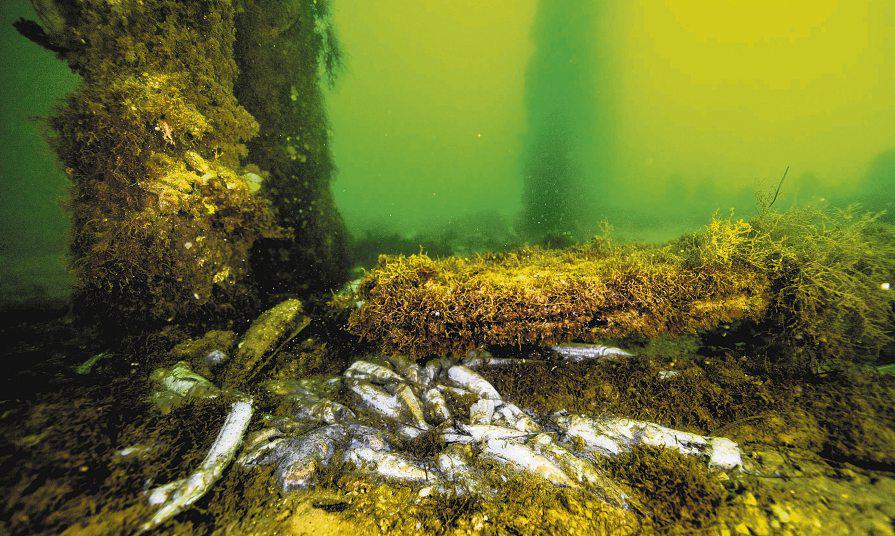
The most heartbreaking example: Steve Bowley, an oyster farmer whose Pacific Estate Oysters farm has more than 1.5 million oysters, was unable to sell his produce for 82 days and told The Straits Times “I am virtually bankrupt”.

The Ecological Disconnect

Here’s what really drove the point home: ninety-five percent of sardines are fed to Port Lincoln’s southern bluefin tuna farms. So the large-scale extraction of forage fish that support the marine food web continues to feed industrial aquaculture operations, whilst the small-scale fishers who target the diverse inshore species – the very fish that would have helped control phytoplankton blooms – are shut down.

The research shows that even before the bloom, there was evidence of declining fish stocks – King George Whiting showing post-settlement failure, Southern Calamari and Garfish declines, and very low Western King Prawn and Blue Swimmer Crab catches.

What This Question Revealed

This wasn’t just about marine biology. Following one ecological question led to understanding a broader pattern: industrial-scale operations that contribute to ecosystem degradation are typically best positioned to weather the consequences, whilst small-scale operators bear the brunt.

The conversation took an hour. Without AI, this investigation would have required access to marine biologists, fisheries scientists, environmental journalists, and policy experts. I would have needed to read through academic papers, government reports, and news articles across multiple sources to piece together these connections.

But even with that access, I would have needed weeks to gather the information, plus the cognitive ability and disposition to collate it all, analyse the patterns, and form coherent hypotheses about the systemic connections. AI did the heavy lifting – it brought everything together, synthesised information across disciplines, and explained it in a way that made complex ecological and economic relationships understandable. If you know the right questions to ask, you suddenly have the ability to understand answers that would previously have required years of specialised training.

Instead, I could follow my ecological intuition, ask the right questions, and uncover a systems analysis that reveals uncomfortable truths about who benefits and who suffers when natural systems fail.

The Questions We Should Be Asking

This is what AI can do for anyone willing to think carefully about the questions they’re asking. When environmental disasters strike, we can ask: who benefits from the current regulatory framework? When the same patterns keep repeating, what incentive structures are keeping them in place?

The South Australian algal bloom isn’t just an environmental disaster. It’s a case study in how power protects itself whilst externalising costs onto those least able to bear them. And it’s a preview of what happens when we prioritise short-term extraction over long-term ecosystem health.

The question is: what other patterns might become visible when we start asking the right questions?

AI, beneficial? a new (passing) fad? deep fakes, viral posts and are we even asking the right questions?

The AI conversation has become exhaustingly predictable. On one side, we have the doom merchants warning that artificial intelligence will steal our jobs, manipulate our elections, and possibly end civilisation. On the other, we have the tech evangelists promising AI will cure cancer, solve climate change, and usher in a golden age of prosperity.

Both sides are missing the point entirely.

Whilst we’re busy arguing about hypothetical futures, we’re overlooking something profound happening right now: for the first time in human history, ordinary people have access to tools that can help them understand the complex systems shaping their lives.

The Questions We’re Not Asking

Think about the last time something in the news made you suspicious. Perhaps it was an environmental disaster where the official explanation didn’t quite add up. Perhaps it was an economic policy that seemed to benefit all the wrong people. Perhaps it was a local issue where you had that nagging feeling that someone wasn’t telling the whole truth.

What did you do with that suspicion? Probably nothing. Because what could you do? You’re not a marine biologist, or an economist, or a policy expert. You don’t have access to research databases, or the time to read through academic papers, or connections to people who might know the real story.

So you shrugged, perhaps complained to friends, and moved on. The people with power kept their power, and your intuition died on the vine.

That’s changing.

Beyond the Hype and Horror Stories

The current AI discourse treats artificial intelligence like it’s either magic or a monster. Reality is far more interesting and useful. AI isn’t going to replace human judgement, it’s terrible at wisdom, empathy, and moral reasoning. But it’s extraordinarily good at pattern recognition, information synthesis, and connecting dots across vast amounts of data.

More importantly, it’s accessible. You don’t need institutional credentials or expensive subscriptions to high-end research services. You can have a sophisticated analytical conversation about complex systems from your kitchen table at 2am.

The question isn’t “will AI destroy us?” or “will AI save us?” The question is: “what can we finally understand about our world that we couldn’t see clearly before?”

The Democratisation of Deep Analysis

For centuries, sophisticated analysis of complex problems was the exclusive domain of universities, think tanks, and well-funded institutions. If you wanted to understand the systemic causes behind environmental disasters, economic inequality, or political dysfunction, you needed either advanced degrees or the money to hire people who had them.

But who’s going to go back to university for five to ten years to study marine biology at 56 because they heard something on the news and wanted to ask a question? Who has the time, money, or inclination to pursue a doctorate in economics just to understand why their local housing market seems rigged? Who’s going to get a degree in political science to figure out why the same policies keep failing in predictable ways?

The barrier wasn’t just institutional access, it was the sheer impracticality of acquiring expertise for every question that sparked your curiosity. So most people, quite reasonably, gave up before they started.

That monopoly is breaking down.

Today, someone with curiosity and the right questions can:

  • Trace the connections between policy decisions and real-world outcomes
  • Understand the economic incentives driving apparently irrational behaviour
  • See the patterns that explain why the same problems keep recurring
  • Connect local issues to global systems

This isn’t about replacing expertise, it’s about giving people the tools to ask better questions and recognise when they’re being fed incomplete answers.

The Right Questions

The real power of AI isn’t in the answers it provides, it’s in helping us frame better questions. Instead of accepting surface-level explanations, we can dig deeper. Instead of feeling overwhelmed by complexity, we can break systems down into understandable components.

When environmental disasters strike, we can ask: who benefits from the current regulatory framework? When economic policies favour the wealthy, we can trace the lobbying networks and political connections that made it happen. When local issues keep getting swept under the rug, we can understand the incentive structures keeping them there.

These aren’t conspiracy theories, they’re systems analysis. And for the first time, this kind of analysis is available to anyone willing to think carefully about the questions they’re asking.

But AI’s utility extends far beyond analysis. For someone with dyslexia, it can transform scattered thoughts into coherent writing. For those managing chronic health conditions, it can help interpret medical information and track symptoms. For people dealing with anxiety or depression, it can provide structured approaches to processing difficult emotions and situations.

Note: Nothing, AI, Google, this blog, matey next door and definitely not some random on Facebook is a replacement for professional help when it’s needed.

What This Series Is About

Over the coming posts, I’ll be demonstrating how to use AI as a research partner and problem-solving tool to understand and navigate our world more effectively. Not through grand theories or abstract speculation, but through concrete examples of asking the right questions and applying AI to real challenges.

We’ll explore using AI for systems analysis, investigating environmental disasters, economic inequality, political dysfunction, and social injustice, not from an ideological perspective, but from a systems perspective. What are the incentives? Who benefits? What patterns keep repeating? What uncomfortable truths become visible when we look more carefully?

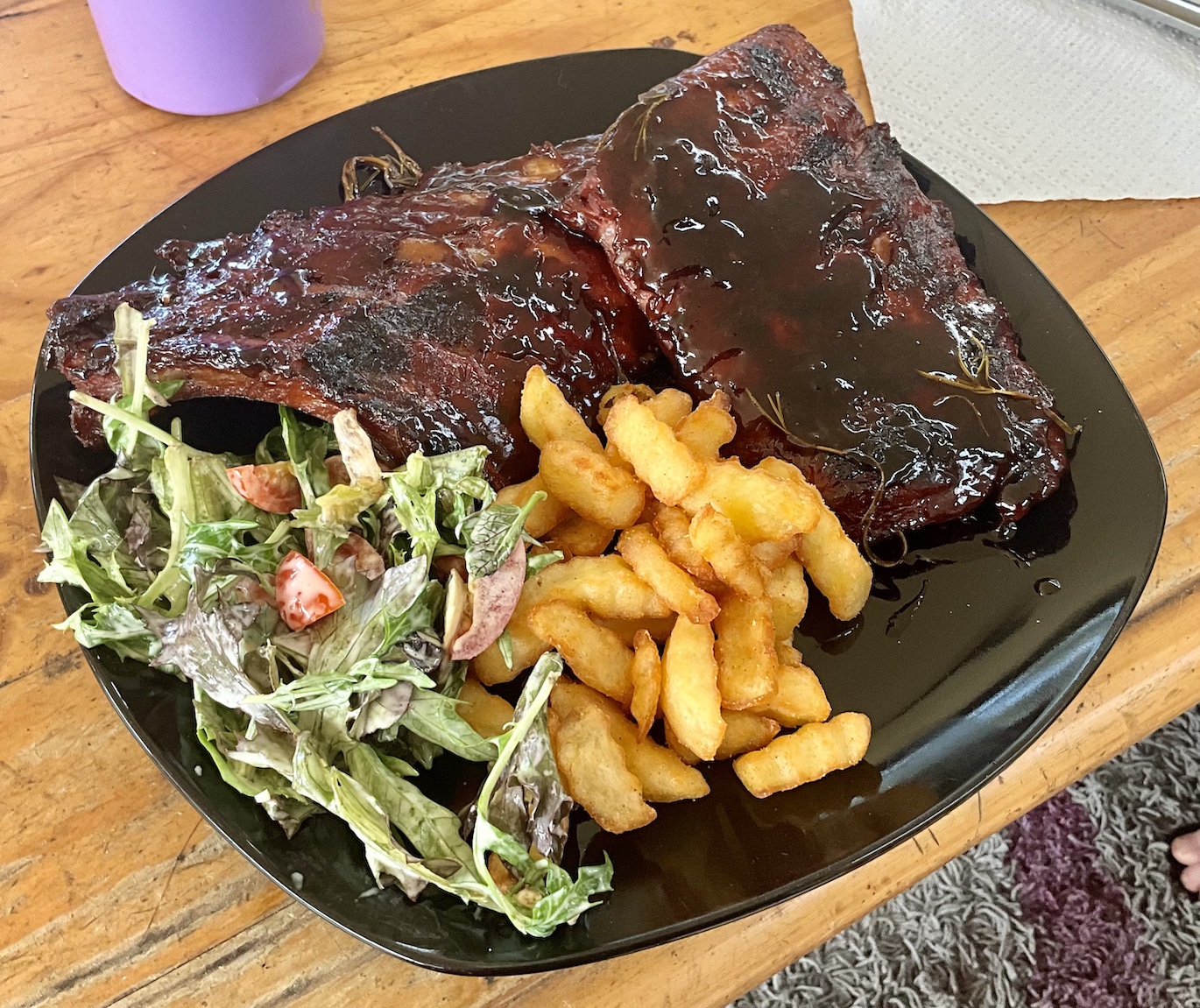
Michelle’s Spare Ribs

But we’ll also look at practical applications: how AI can help you create simple applications to solve everyday problems, process and analyse your emails to spot phishing attempts and scams, understand complex documents, automate routine tasks, tackle technical challenges that would previously have required expensive consultants or specialised knowledge, even giving tips on recipes or ideas for dinner when you’re staring at a fridge wondering what to cook.

The goal isn’t to provide definitive answers, it’s to show you how to investigate the questions that have been bothering you and solve the problems you face. That late-night thought sparked by something on the news? That suspicion that something doesn’t add up in your community? That pattern you’ve noticed but couldn’t quite articulate? That technical challenge at work that seems insurmountable? That repetitive task eating up your time?

You now have the tools to explore and address these properly.

A Warning and an Invitation

This approach comes with risks. When people gain access to powerful analytical tools, they don’t always use them wisely. The same techniques that can reveal corporate corruption can also fuel dangerous conspiracy theories. The same pattern recognition that exposes systemic injustice can also feed prejudice and hatred.

The difference lies in the questions you choose to ask and the standards of evidence you maintain. Good analysis is humble, acknowledges uncertainty, and seeks to understand rather than confirm existing beliefs.

But despite the risks, this opportunity is too important to waste. For too long, ordinary people have been locked out of the analytical tools needed to understand the forces shaping their lives. That’s changing, and it’s changing fast.

The question is: what will you do with this new capability?

Your curiosity, combined with the right tools and the right questions, might just help more people see what’s really happening in our world. And when enough people see clearly, things start to change.